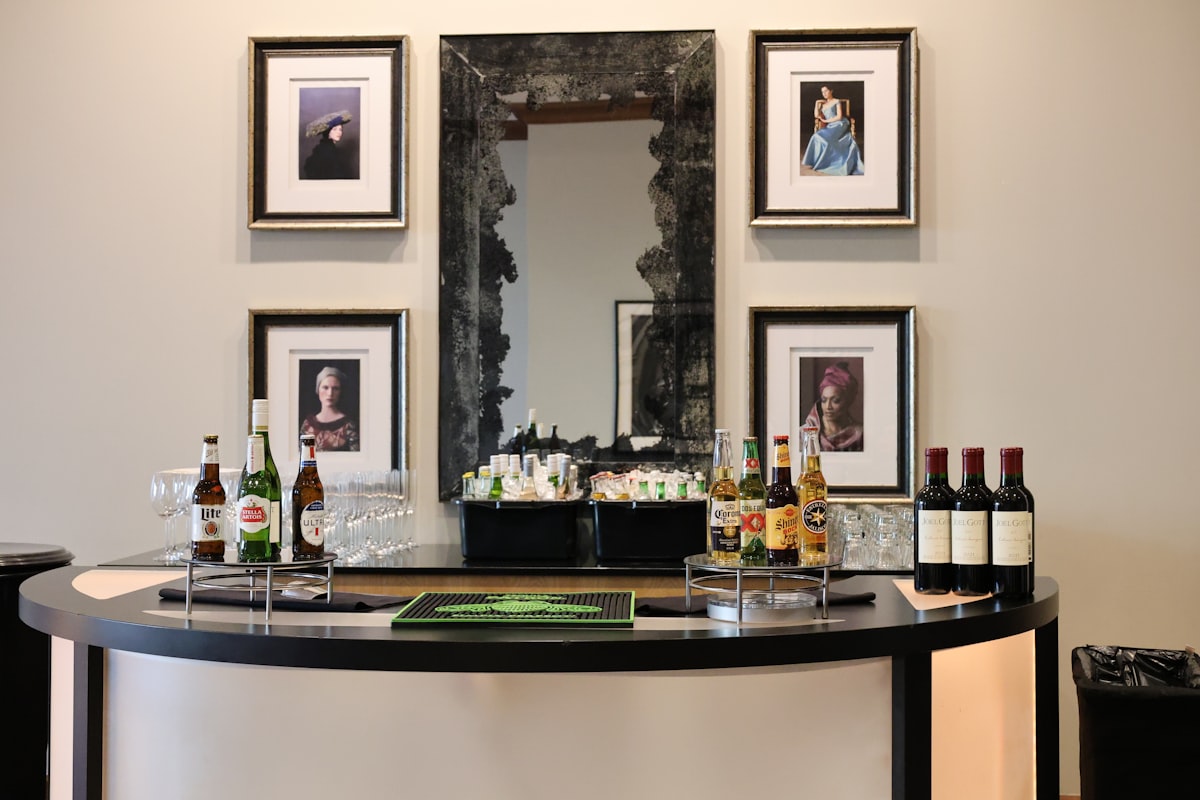
From Sensor Fridges to Computer Vision: How Technology Is Reinventing the Hotel Minibar
The hotel minibar was born in 1974 and nearly died by 2012. Now sensor automation, computer vision, and delivery app partnerships are creating three competing futures for in-room F&B.
In 1974, a food and beverage director at the Hong Kong Hilton named Robert Arnold had an idea: stock a small refrigerator in each guest room with drinks and snacks. In-room beverage sales increased 500%, and the hotel's overall annual revenue jumped 5% (Hospitality Net). The minibar was born.
By 2004, Marriott was ripping minibars out of 1,946 rooms at the Times Square Marquis. By 2012, U.S. minibar revenue had fallen 28% (Cvent/PKF Hospitality Research). And by 2025, minibars represent just 0.2% of total hotel F&B revenue (CBRE).
But the minibar isn't dead. It's forking into three very different futures, each driven by technology that didn't exist a decade ago.
The Problem That Killed the Traditional Minibar
The traditional minibar failed because of a fundamental economics problem: it required daily manual labor for every occupied room whether or not a guest touched anything. That meant 3-5 minutes per room, roughly 100 rooms per attendant per day, and shrinkage rates between 20% and 40% of inventory (Hotel Online).
Marriott CEO Arne Sorenson summed it up: "We don't make money from the minibar" (Fast Company).
The response from major chains was straightforward: remove the stocked minibar, leave an empty fridge, and let guests use delivery apps. But that approach surrenders a revenue stream and an in-room touchpoint entirely. Not every operator is willing to do that.
Future #1: Sensor-Based Automation
The longest-running technology approach uses physical sensors inside the minibar to detect when items are picked up. The market leader, Bartech, has deployed systems in over 300,000 hotel rooms across 60+ countries (Hospitality Net).
How It Works
Bartech's automatic minibars use infrared, magnetic, or micro-switch sensors that detect when an item is lifted from its position. A 60-second countdown begins, and if the item isn't returned within that window, the charge posts automatically to the guest's folio through the PMS (Bartech).
Minibar Systems, another major player with over 2 million units installed worldwide, offers a similar approach through their SmartCube automated minibar line (Minibar Systems).
The ROI Case
The operational improvements from sensor-based automation are significant:
- Labor: One attendant services up to 400 rooms per day with automated systems versus ~100 rooms with manual checks (Hospitality Net)
- Shrinkage: Drops from 20-40% to less than 2% (Hospitality Net)
- Complaints: One major hotel chain reported an 85% drop in minibar complaints six months after deploying Bartech (Travel and Tour World)
- Energy: Bartech's Computerized Energy Saving System (CESS) reduces energy consumption by up to 40% by shutting off the compressor when rooms are unoccupied (Bartech)
The Limitation
Sensor-based systems solve the labor and shrinkage problem but require purpose-built hardware. Every item slot needs a sensor. The initial capital investment is meaningful, and you're locked into the vendor's fridge hardware and item placement configuration. Changing what you stock means reconfiguring the sensor layout.
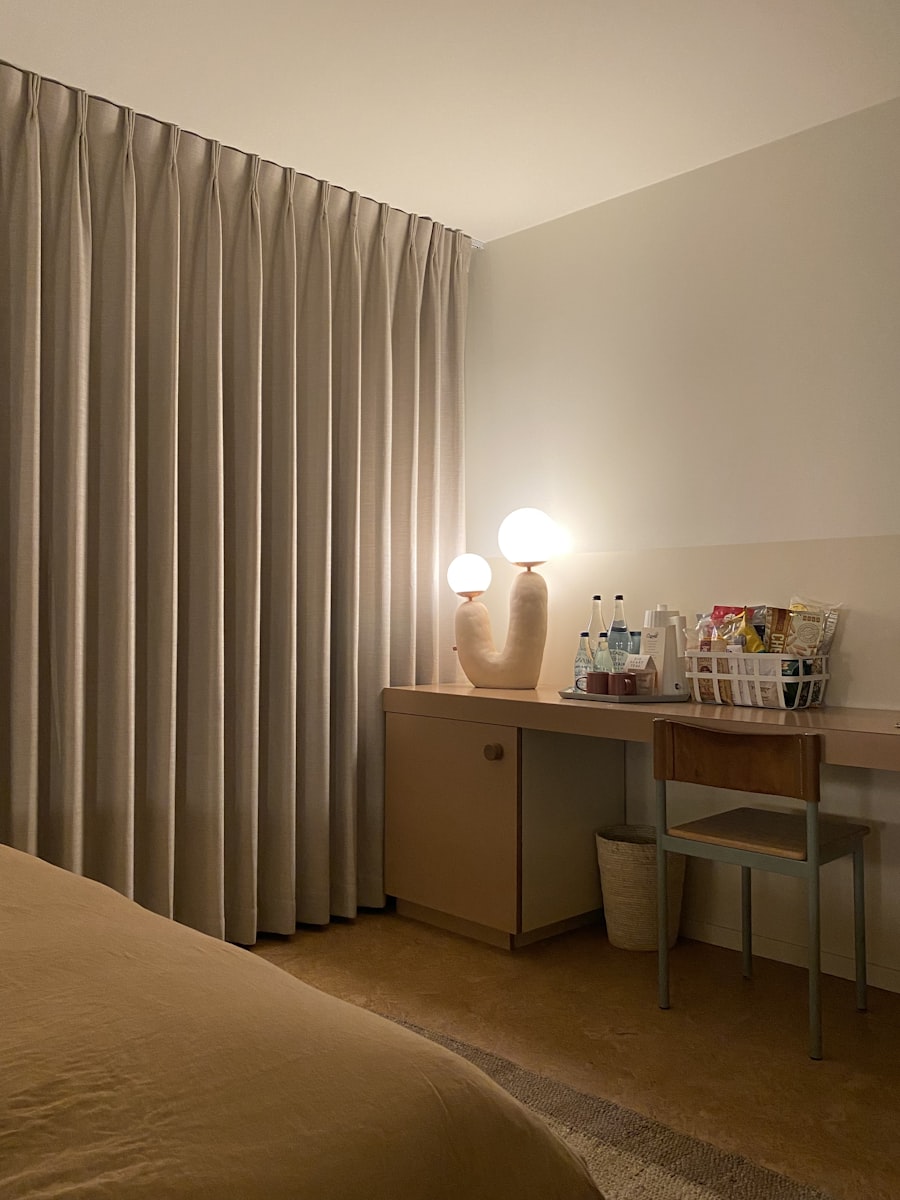
Future #2: Delivery Apps and Lobby Markets
The major chains have largely opted to replace in-room inventory with third-party delivery partnerships:
- Hilton + Grubhub (2024): Expanded to 2,600+ hotels across Hampton, Tru, Spark, Homewood Suites, and Home2 Suites brands. Orders to Hilton properties more than doubled after launch. Guests receive one free month of Grubhub+ with $0 delivery fees (Hilton).
- Wyndham + DoorDash (2019): $0 delivery fees and 2,000 sign-up points at 3,700+ U.S. locations (CNBC)
- Marriott + Uber Eats (2021): Guests earn Bonvoy points when ordering from designated hotel restaurants
The appeal is obvious: zero inventory cost, zero labor cost, zero shrinkage risk, and infinite selection. The hotel captures loyalty points and guest engagement without touching a single snack item.
Lobby Grab-and-Go
Alongside delivery apps, self-service lobby markets are proliferating:
- GrabScanGo installs and manages 24/7 self-checkout markets in hotel lobbies at zero cost to the property, using patented Bluetooth beaconing technology (GrabScanGo)
- Impulsify provides self-checkout kiosks with scan-and-tap-to-pay, inventory automation, and revenue analytics (Impulsify)
- Courtyard by Marriott's 24-hour food pantry concept expanded to Residence Inn and SpringHill Suites (Hotel Management)
A 2024 CGA study found that travelers are willing to pay an average of 5% more for heightened convenience, with half of consumers valuing room service options and vending machines (CGA Strategy).
The Limitation
Delivery apps and lobby markets work well for select-service and extended-stay brands. But they eliminate the in-room impulse purchase entirely, which was the original genius of the minibar. There's no "I'll grab that $8 bottle of water because it's right here" moment when the guest has to walk to a lobby or wait 30 minutes for delivery.
For luxury and full-service properties where the in-room experience matters, giving up the minibar means giving up a brand touchpoint.
Future #3: Computer Vision and AI
The newest approach eliminates the need for specialized sensor hardware entirely. Instead of wiring every item slot with an infrared detector, staff takes a photo of the minibar with a smartphone, and AI identifies what's present, what's missing, and what needs restocking.
How It Works
Computer vision platforms analyze a photo of the minibar against a reference image of the fully stocked state. The AI identifies each item by type, counts quantities, detects consumed or missing products, and generates an itemized consumption report that can post to the guest folio.
This approach has several advantages over sensor-based systems:
- No specialized hardware: Works with any existing fridge and any smartphone
- Flexible inventory: Change your product mix without reconfiguring sensors
- Integrated workflows: The same photo-based process that checks the minibar can also check room cleanliness, maintenance items, and security checkpoints
- Lower capital cost: No per-room sensor investment required
WISK, an AI-powered inventory platform, uses Bluetooth-enabled scales and barcode scanning to achieve 99.7% inventory accuracy and an 80% reduction in inventory time (WISK). Their system integrates with 60+ POS platforms.
Broader computer vision in hospitality is already being used to monitor inventory levels in real time, generating automatic alerts when stock reaches predefined thresholds (Viso.ai).
The Emerging Application
The logical extension is a single platform where hotel staff captures photos across multiple operational areas, housekeeping, minibar, security, and AI handles the analysis for each. Rather than separate sensor systems, separate checklists, and separate logging tools, one photo-based workflow covers every department.
This is where the industry is headed. The question is how fast properties adopt it.
What Guests Actually Want
Dometic's 2025 study of 2,000 hotel guests across the U.S. and Germany provides the clearest recent picture of guest preferences (HOTELSMag):
- 40% said a minifridge (even empty, without product) is important when booking, on par with TVs at 41%
- 60% said their stay would improve if minibar pricing was fair
- 73% preferred that the cost of items be included in the room rate
- 86% said they would choose silent operation over energy savings
- 66% preferred manual billing (declare consumption at checkout) over automatic sensors
That last number is revealing: guests don't love the idea of being auto-charged. They want the convenience of in-room items but with transparent, fair pricing and control over the billing process.
The preference data also shows growing demand for local and wellness products. Guests increasingly want regional snacks, craft beverages, and healthy options rather than generic national-brand offerings (Boutique Hotelier).
The Revenue Context
Despite the minibar's decline, hotel F&B overall is a bright spot. F&B is historically the second-largest source of hotel revenue, representing 25-40% of total revenue depending on segment. F&B department profit margins increased from 28.7% in H1 2024 to 29.1% in H1 2025 (CBRE).
Properties with in-room tablets and mobile ordering report F&B sales increases of 10% to 35% after going digital (Hotel Tech Report). One case study showed room service participation jumping to 48% of guests, with average order values climbing 22% and total room service revenue rising 35% year-over-year.
INTELITY, a leading in-room tablet provider, reports 45% increases in mobile dining orders and 12% increases in average room service checks at deployed properties (INTELITY).
The minibar may represent just 0.2% of F&B revenue today, but the broader in-room F&B opportunity, including mobile ordering, curated minibar experiences, and grab-and-go, is growing.
Which Future Wins?
The answer is probably all three, split by segment:
- Select-service and extended-stay: Delivery apps + lobby markets. These properties don't have the margins or guest expectations to justify in-room F&B inventory.
- Full-service and upscale: Sensor-based automation for properties with existing minibar infrastructure and the capital budget for hardware upgrades.
- Luxury and boutique: Curated, locally sourced minibar experiences verified by computer vision. The minibar becomes a brand expression, not just a revenue line.
- New builds and renovations: Computer vision from the start. Why install sensor hardware when a smartphone and AI can do the same job with more flexibility?
The minibar refrigerator market is projected to grow from $358 million in 2024 to $432 million by 2030 at a 3.1% CAGR (Grand View Research). That modest growth suggests the hardware isn't going away. It's the operational model on top of it that's being reinvented.
The Takeaway for Operators
The 1974 minibar model, stock it, staff it, hope guests pay, is over. But the in-room F&B opportunity isn't. Technology has created paths to profitability that manual operations never could: 4x labor efficiency through automation, near-zero shrinkage through sensors or photo verification, and data-driven inventory through AI analytics.
The operators who will capture the most value are the ones who choose the technology approach that matches their segment, their guest profile, and their operational reality, rather than defaulting to either "remove everything" or "keep doing it the old way."
For a closer look at how photo-based AI verification works for minibar inventory, see how HospitalitAI's Minibar module turns a smartphone photo into an itemized consumption report.
See HospitalitAI in action
Find out how AI-powered inspections can reduce quality failures and protect your guest experience.
Request a Demo