
The Hidden Cost of Hotel Quality Failures: $250K+ Per Year in Preventable Losses
A 300-room hotel with a 5% quality failure rate loses $250,000+ annually in comps, recleans, and reputation damage. Here's where the money goes and how to stop the bleeding.
Quality failures in hotels are expensive. Far more expensive than most operators realize. The direct costs are visible: comps, discounts, recleans. But the indirect costs, lost repeat bookings, negative reviews, staff turnover from frustration, quietly compound into six-figure annual losses that never appear on a single line item.
This is the Cost of Poor Quality (COPQ) problem, and it's eating into hotel margins at a time when operating costs are already rising faster than revenue.
The Real Numbers Behind Quality Failures
According to industry benchmarks from AHLA and Cornell's Center for Hospitality Research, each quality failure costs between $45 and $85 when you account for the full chain of consequences:
- Direct compensation: Room comps, rate adjustments, food & beverage credits averaging $25-$50 per incident
- Reclean labor: Pulling a room attendant off their assignment to address a guest complaint costs $12-$18 per incident in direct labor
- Late check-in penalties: When a defective room delays guest arrival, front desk labor increases and satisfaction scores plummet
- Review impact: A single negative review mentioning cleanliness can reduce booking conversion by up to 22% for weeks afterward

For a 300-room hotel at 70% occupancy with a 5% quality failure rate, that translates to:
300 rooms x 70% occupancy x 5% failure x $65 avg cost x 365 days = $250,000+ per year
And that estimate is conservative. It doesn't include the long-tail revenue loss from damaged online reputation, which Cornell research shows can reduce pricing power by 11.2% for every 1-point drop in review scores.
The Reputation Multiplier Most Operators Underestimate
The direct cost of a quality failure is only the beginning. The real damage happens when that failure reaches the internet.
Research from Deliverback and Cornell University paints a stark picture:
- 79% of travelers will not book a hotel with more than three negative reviews
- 94% of consumers say an online review has convinced them to avoid a business (ReviewTrackers)
- A 1-star increase on TripAdvisor leads to a 2.2-5.3% increase in monthly revenues (ScienceDirect)
- Guests will pay 24% more for a hotel rated 3.9 vs. 2.4 (The Reputation Lab)
- 48% of travelers are more likely to write a review after a negative experience than a positive one
The math is clear: every quality failure that reaches a guest is a potential review that reduces future bookings. And unlike the $65 per-incident cost, the reputation damage compounds over time.
Where Quality Failures Hide
The most dangerous failures aren't the dramatic ones. A flooded bathroom gets caught. The expensive failures are the subtle, repeated ones that slip through traditional inspection methods:
- Bed presentation inconsistencies that guests notice but don't always report. Wrinkled sheets, asymmetric pillows, and visible stains are among the most photographed items in negative reviews.
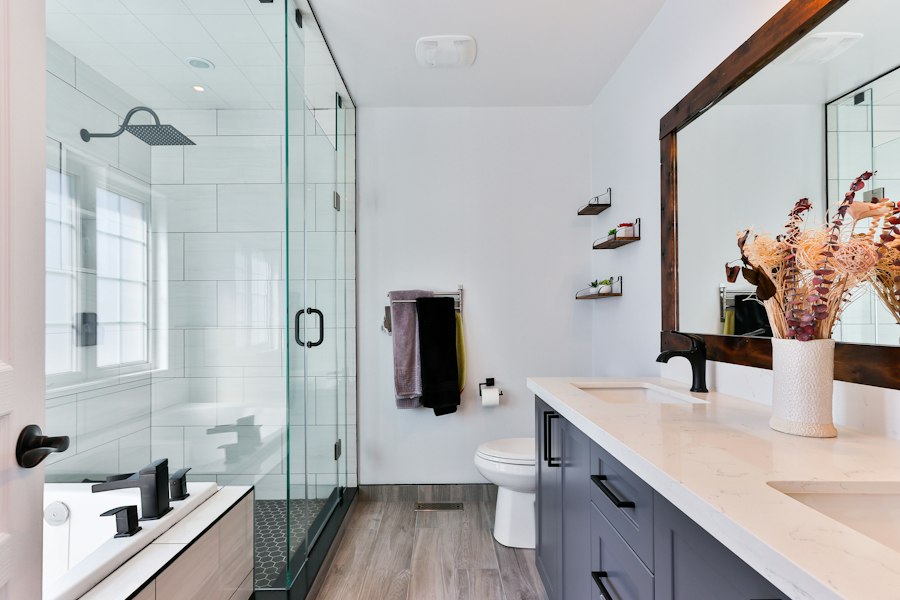
- Bathroom amenity gaps that trigger "cheap" or "incomplete" mentions. Missing soap, empty tissue holders, and unstocked towel racks cost almost nothing to fix during turnover but generate outsized complaint volume.
- Maintenance items like a flickering lamp, stained grout, or a slow drain that persist for weeks because no one formally reports them through the work order system.
- Vanity and surface issues that slip past time-pressured supervisors during spot-check inspections.
An OXmaint study found that the average 250-room hotel deals with 340 preventable guest complaints monthly due to inspection failures. Hotels that implemented structured digital inspection workflows reduced room defects reaching guests by 89%.
Why Spot-Checking Doesn't Catch What Matters
Most hotels inspect 30-40% of rooms per day. Supervisors physically walk rooms, relying on memory and experience to catch issues. The math doesn't work:
- A supervisor checking 40 rooms in a shift has roughly 7-8 minutes per room including walk time
- Fatigue, time pressure, and familiarity bias mean the same defects get missed repeatedly
- There's no data trail. If an issue recurs in Room 412 three times this month, nobody connects the dots
- J.D. Power's 2025 NAGSI study found that even though only 12% of guests experience a problem, those problems drop satisfaction scores by 144 points on a 1,000-point scale
The gap between "inspected" and "verified" is where quality failures live. And with 65% of hotels still reporting staffing shortages, supervisors are stretched thinner than ever.
The Prevention-to-Failure Cost Ratio
Research on quality management in hospitality shows that prevention and appraisal costs reduce failure costs at a 1:4 ratio. Every dollar spent catching defects before they reach guests saves four dollars in failure costs.
This is why the hotel industry is shifting from reactive quality management (responding to complaints) to proactive quality intelligence (preventing complaints from happening).
The Path Forward: From Spot-Checking to Full Coverage
The solution isn't hiring more supervisors. With room attendant turnover exceeding 103% annually and 71% of hotels unable to fill open positions, staffing your way out of this problem isn't viable. The answer is giving the existing team better tools:
- 100% inspection coverage through guided, structured inspections with photo evidence
- AI-assisted detection that catches patterns human eyes miss under time pressure
- Repeat-defect tracking so the same room doesn't fail the same way twice
- Automated task routing so issues reach the right department immediately, not at shift change

Properties that implement structured quality intelligence systems see measurable returns within weeks. When each quality failure costs $45-$85 and you're preventing even one per day, the math works immediately: $16,425-$31,025 in annual savings from daily prevention alone.
The cost of quality failures is too high to leave to spot-checking and gut feel.
Want to calculate the cost of quality failures at your property? Try our ROI calculator or request a demo to see how HospitalitAI catches defects before guests do.
Sources
- AHLA 2025 State of the Industry Report
- AHLA Staffing Shortage Survey (Feb 2025)
- Cornell/Stayntouch: How Online Reviews Impact Hotel Revenue
- Deliverback: The Cost of a Bad Review for Hotels
- J.D. Power 2025 NAGSI Study
- Hotel Tech Report: Hotel Labor Cost Index
- OXmaint: Guest Room Inspection Workflows
- ScienceDirect: TripAdvisor Ratings and Hotel Revenues
- The Reputation Lab: Online Review Impact
- Allara Global: Cost of Poor Quality in Hospitality
Related Reading
See HospitalitAI in action
Find out how AI-powered inspections can reduce quality failures and protect your guest experience.
Request a Demo